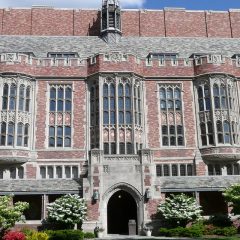
Normal Fears of Yale Law School
As I make my way through law school I continue to have fears. I have talked with others who share the same fears and concerns I do. Law school is not an easy feat, and naturally fears are apt to creep up inside of us. Doubts. Worries. Concerns. Questions. The Dream (Nightmare) I have the […]
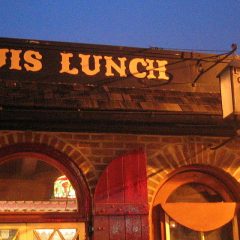
Excellent Places to Eat Near Yale University
One of the things you learn after being at Yale law school for a short period, is the wonderful places to eat. It’s important to recharge yourself in between exams and studying and hitting some nice eateries is important. Here are some places I heard of before I went and tried them out. You should […]
Weird Lawsuits that Actually Won
Before I began law school I thought maybe by attending I would get some insight on why ridiculous cases that appear in the news end up winning, while on the other hand lawsuits that seem to focus on a legitimate concern is quickly thrown out of court. I have yet to know exactly why, other […]
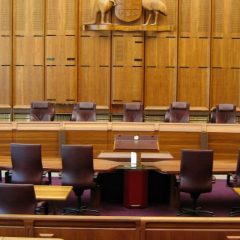
Different Types of Lawyers
Some people may not realize it but there are quite a variety of different lawyers. Many people immediately imagine mahogany desks and courtrooms when someone mentions the word lawyer. But there are so many types, not all are as fancy as we are led to believe. To some extent we all do know there are […]
6 Weird Things About Yale
Attending Yale is a great achievement but, at the same time, there are a few strange things lingering about in this prestigious university. Whether you want to be a chemist or a lawyer, there are plenty of strange things to consider. Here are a few: Particle Accelerator As depicted in many movies and TV shows […]
Do you have what it takes to become a lawyer?
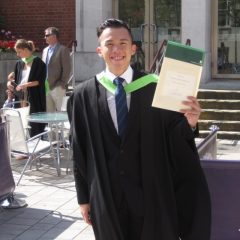
It is quite common for those who begin to explore careers in law to ask yourself certain questions like: How do you actually become a lawyer? What type of person becomes a lawyer and does this fit you? What is a lawyer’s job description? What different types of law can you pursue? Sometimes asking yourself […]

11 Famous People Who Attended Yale
Find Out Who You Know That Attended Yale Eli Whitney Earning his B.A. in 1792 from Yale, Eli Whitney was an American inventor best known for inventing the cotton gin. It was the key invention to the Industrial Revolution, shaping the economy of the South. It essentially allowed cotton to become a profitable crop by […]